Shark Tank Members Net Worth in 2026: Updated Estimates for Every Shark
If you’ve ever watched a pitch implode and thought, “Okay… but how rich are these Sharks really?” you’re not alone. Shark Tank makes wealth feel both huge and oddly practical—because the investors aren’t just giving opinions; they’re writing checks. Below is a clear look at the core Sharks’ estimated net worth in early 2026, plus a simple explanation of why these numbers can vary so much online.
Who counts as “Shark Tank members” in 2026?
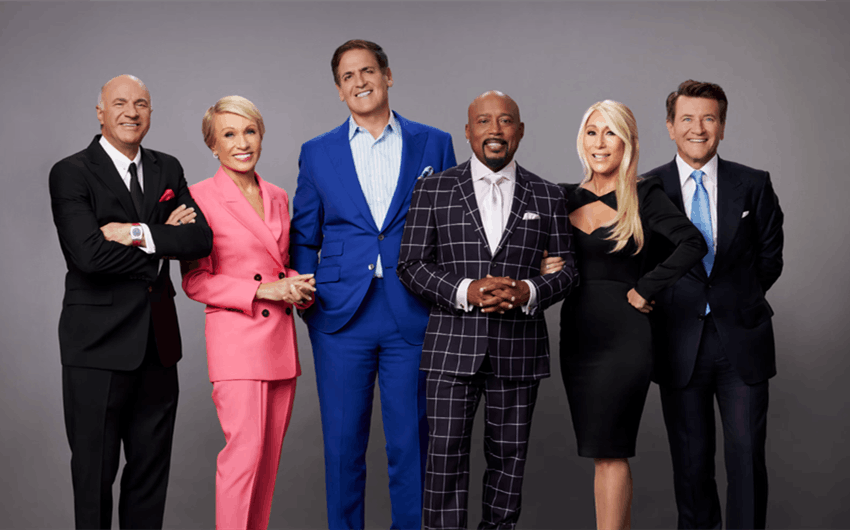
For most readers, “members” means the core, recurring panel of Sharks rather than one-time guest investors. In early 2026, the main group commonly listed includes:
- Barbara Corcoran
- Daymond John
- Robert Herjavec
- Kevin O’Leary
- Lori Greiner
- Daniel Lubetzky
Mark Cuban is often mentioned in net worth roundups because he was a long-running Shark, but he is no longer a full-time panel member after his departure following Season 16.
Shark Tank members net worth in 2026
Net worth figures are estimates unless the person publicly releases detailed financial statements (which is rare). Most “net worth” sites use a mix of public reporting, known business stakes, and educated guesses about private assets. With that in mind, here are the commonly cited estimates for each core Shark in early 2026:
- Daniel Lubetzky: about $2.3 billion
- Robert Herjavec: often listed around $600 million (some credible sources estimate lower)
- Kevin O’Leary: about $400 million
- Daymond John: about $350 million
- Lori Greiner: about $250 million
- Barbara Corcoran: about $100 million
These numbers should be read as “best public estimates,” not exact balances.
Daniel Lubetzky: the billionaire on the panel
Daniel Lubetzky stands out because he’s widely described as a billionaire, and estimates frequently place him around $2.3 billion. That level of wealth typically comes from meaningful ownership in a company that scaled very large, plus years of investing and holding assets that compound over time.
On the show, the practical impact is that someone in billionaire territory can tolerate longer timelines and take bigger swings. A Shark with that kind of cushion can back a company that needs patience—because the investor can afford to wait for the upside.
Robert Herjavec: why you’ll see different numbers
Robert Herjavec’s net worth is a great example of why the internet rarely agrees on a single number. Some sources place him near $600 million, while other respected outlets have estimated him materially lower. Both can be “reasonable” depending on how the estimate values private-company ownership and how it accounts for liabilities.
Here’s why the spread happens:
- Private businesses are hard to price: if a company isn’t publicly traded, its value is partly assumption.
- Illiquid assets are guesses, not tickers: real estate and private stakes can’t be priced like a stock.
- Debt and obligations aren’t always visible: two people can “own” the same thing, but one may have leverage behind it.
The bottom line is that he is extremely wealthy either way, and his fortune is tied to building and selling major businesses over time.
Kevin O’Leary: structured deals and portfolio thinking
Kevin O’Leary is commonly estimated around $400 million. His on-screen reputation is built around deal structure—royalties, licensing angles, and offers designed to keep paying even if the company grows slowly or unpredictably.
That style can sound harsh, but it reflects a classic investor mindset: protect the downside first, then chase upside. Over time, structured deals can create a portfolio that keeps generating income without relying on a single “lottery ticket” win.
Daymond John: brand power turned into investing power
Daymond John is often estimated around $350 million. His wealth story is closely tied to consumer branding and building products that connect with culture. On the show, he tends to focus on distribution, customer acquisition, and whether the brand story is strong enough to survive copycats.
His net worth also shows something important: you don’t need to be a tech founder to reach nine figures. Strong ownership positions in successful consumer businesses can compound into massive wealth, especially when reinvested over time.
Lori Greiner: scalable products and retail dominance
Lori Greiner is commonly estimated around $250 million. She’s known for turning simple, easy-to-demonstrate products into big retail wins. Financially, that makes sense: when a product is easy to understand and can be sold at scale, it can grow fast—especially if it performs well on TV shopping, in major stores, or through viral clips.
Her wealth reflects the advantage of living in repeatable systems: product development, patents, licensing, and distribution. That ecosystem can keep producing income long after a single product’s “moment” fades.
Barbara Corcoran: real estate roots and deal instincts
Barbara Corcoran is commonly estimated around $100 million. She’s built a public reputation around hustle, negotiation, and founder psychology. Even when her offers feel personal, there’s usually a consistent pattern: she likes founders who can sell, because selling skill is what keeps a company alive when the plan doesn’t go perfectly.
And while $100 million may be the smallest estimate on this panel, it’s still a rare financial tier. Shark Tank simply makes nine figures look “normal” because everyone is sitting beside other people who are also wildly wealthy.
Why Shark Tank net worth estimates don’t match across websites
If you Google a Shark’s net worth and get three different answers instantly, that’s not unusual. Here’s why:
- Most wealth isn’t cash: it’s business ownership, real estate, and investments.
- Private valuations are estimates: people infer value from comparable companies and reported deals.
- Deal structures complicate everything: royalties, preferred shares, earn-outs, and options can change the “value today” versus “value later.”
- Public information lags: even good reporting can be months behind major changes.
The most honest way to read these figures is as a range, not a precision number. Still, they give a solid sense of where each Shark sits financially—and why their advice (and their risk tolerance) can look so different from one investor to the next.
image source: https://parade.com/celebrities/shark-tank-net-worth-ranked