
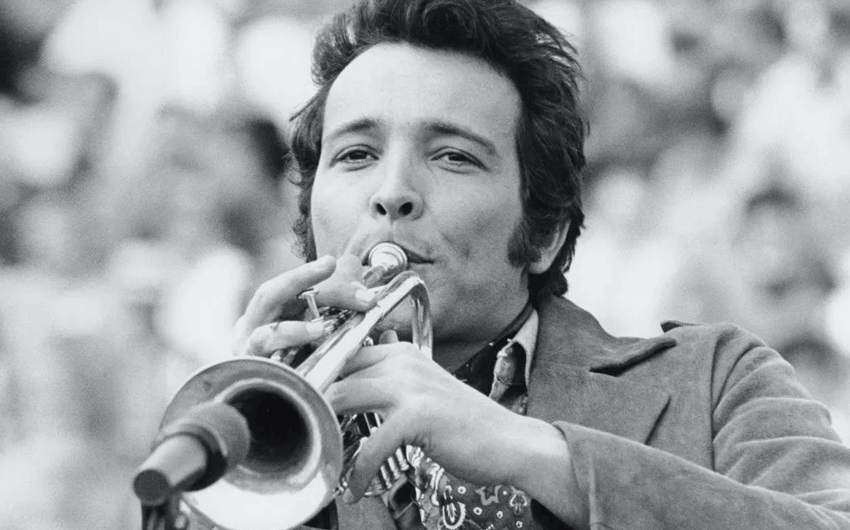
Herb Alpert Net Worth in 2026 and How His Fortune Was Built
When people look up Herb Alpert net worth, they are usually trying to understand how a trumpet player became one of the wealthiest figures in music. The short version is that his money did not come from one hit or even one decade of fame. It came from a rare mix of huge record sales, smart ownership, and a long-running business engine built through A&M Records. In 2026, his wealth is still closely tied to those lifelong wins, plus ongoing royalties and careful stewardship of a legacy that never really stopped earning.
Estimated Herb Alpert net worth in 2026
Herb Alpert’s net worth in 2026 is commonly estimated at around $850 million. Because he is private, that number is not an official disclosure, but it is a widely repeated estimate that matches the scale of his career, catalog, and business history. Think of it as a best-available public estimate rather than a verified bank statement.
It also helps to remember what “net worth” means. It is not just income from this year. It is the total value of assets (cash, investments, property, royalties, ownership stakes) minus liabilities. For someone like Alpert, the strongest drivers are long-term assets: music rights, label earnings history, and a catalog that continues to pay year after year.
Why Herb Alpert’s wealth story is different from most musicians
Most musicians earn a lot during peak years and then live off a smaller stream later. Herb Alpert is different because he was both the artist and the owner. He had massive success as a performer, but he also helped build one of the most important independent record labels in American music. That ownership angle changes everything. If you own the machine that releases records, you can earn from thousands of songs and dozens of careers, not just your own.
So his fortune is not only “music star money.” It is also “music business money,” and that tends to scale faster and last longer.
The first pillar: blockbuster record sales and timeless hits
Herb Alpert became a household name in the 1960s as the leader of Herb Alpert & the Tijuana Brass. Those records were not niche jazz projects. They were mainstream culture. Album covers became iconic, songs crossed over, and the sound was everywhere. When an artist sells at that level, the money does not end when the tour ends. Royalties keep flowing from physical sales, reissues, licensing, streaming, and radio play.
Over the years, Alpert’s catalog became unusually valuable because it spans multiple eras and formats. The Tijuana Brass work carries nostalgia power, while later hits proved he could move with the times. He is also known for rare chart achievements across different types of releases, which keeps the story alive and the catalog in circulation.
One reason his catalog remains strong is that it is “easy to place.” Film, TV, and advertising often want music that feels bright, classic, and instantly recognizable. That gives older recordings a second and third life, especially when a brand wants a certain mood without chasing a modern trend.
The second pillar: A&M Records and the power of ownership
A&M Records is where the scale of the fortune becomes easier to understand. Alpert co-founded A&M with Jerry Moss, and together they built it into a label that could compete with major companies while keeping an independent spirit. The label signed and released artists that defined entire generations. Even if you never bought a Herb Alpert album, you likely heard music from artists A&M helped bring to the world.
Building a label creates multiple layers of income. There is revenue from record sales and distribution. There is publishing and licensing income tied to songs. There is the value of the brand itself. And there is the long-term value of a catalog that can be repackaged, licensed, and reissued for decades.
Then there is the biggest headline moment: A&M was sold to PolyGram for about $500 million in 1989. Deals like that can change a person’s financial life instantly. And with founders, it is not only the sale price that matters. It is what they retained, how the deal was structured, and how that money was invested afterward.
Even if you assume taxes and expenses took a large slice, a major sale like that can still leave a massive base of capital. If that capital is invested conservatively over decades, the compounding effect can be enormous. That is one of the quiet reasons why Alpert’s net worth can remain so high in his later years without needing constant public activity.
Royalties in the modern era: the catalog keeps working
People sometimes assume streaming “killed royalties,” but the truth is more nuanced. Streaming pays less per play than the old days of buying an album, but it can create continuous, global listening that never stops. For legacy artists with deep catalogs, that can become a steady, predictable stream. The biggest advantage of a classic catalog is that it does not need to be trendy. It just needs to remain discoverable and comforting.
On top of streaming, there are also sync licenses. A single well-placed song in a popular show can introduce the music to a younger audience. Once that happens, playlists and recommendations do the rest. This is why older catalogs often experience surprise spikes many years after a song first came out.
For someone like Herb Alpert, royalties are also tied to the business side of music. Ownership, publishing arrangements, and label structures can mean he earns from more than just “plays.” The details are private, but the principle is public: control and ownership create lasting income.
He also built a brand beyond music
Herb Alpert is not only known as a musician and executive. He also has a visible life in the arts beyond the recording studio. That matters because it expands the brand and keeps the name relevant in new circles. When a public figure becomes associated with multiple creative lanes, it strengthens long-term recognition, and recognition supports catalog value.
He also has a jazz club and restaurant presence through Vibrato Grill Jazz in Los Angeles, which is another example of turning taste and curation into an enduring business identity. Even when a venue is not the main source of wealth, it can reinforce the brand and create new relationships and opportunities.
Philanthropy is a major part of his legacy
It may seem odd to include giving in a net worth article, but with Herb Alpert it is part of the financial story. Major philanthropy usually signals two things: sustained wealth and long-term planning. His foundation has funded arts education and community support in visible, measurable ways, including significant gifts that support music students and institutions.
Philanthropy can also affect net worth in complicated ways. Donations reduce personal assets over time, but they can also be planned through foundations and endowments that are managed across many years. The result is that “how much he gives” can be large without dramatically changing “how much he has,” especially when assets are well managed and the base is huge.
What matters for readers is the bigger picture: Alpert’s public record suggests he has enough wealth to give generously while still maintaining an extremely high net worth. That balance is usually only possible when the underlying asset engine is strong and stable.
Why some estimates can still feel confusing
If you compare different net worth sites, you might see numbers that do not match perfectly. That is normal, because these sites rarely have access to private financial documents. They often estimate based on career history, known deals, public real estate information, visible business interests, and reported royalties.
The reason the estimates cluster in the same high range is that the building blocks are not subtle. You have:
- massive record sales and a legendary catalog
- a co-founder stake in an iconic label
- a landmark label sale with a publicly reported price
- decades of royalty earnings after the peak fame years
- public philanthropic gifts that imply deep resources
When those factors align, “hundreds of millions” stops sounding outrageous and starts sounding like the logical outcome of a long career built on ownership.
A simple way to think about his fortune
If you want a clean mental model, imagine Herb Alpert’s wealth as three stacked layers.
Layer one is performance success. The Tijuana Brass era created major earnings and a catalog that still sells and streams.
Layer two is ownership success. A&M Records multiplied the scale because he earned from many artists and from the value of the company itself.
Layer three is time. Decades of royalties and investment growth can turn a big win into a historic fortune.
That final layer is often the most important. Time rewards people who own assets that keep producing value. Herb Alpert has owned assets like that for much of his life.
So, what is Herb Alpert’s net worth in 2026?
Based on widely reported estimates and the public shape of his career, Herb Alpert’s net worth in 2026 is best described as about $850 million. It is not an official number, but it is a realistic estimate that fits the known scale of his catalog, his history as a label founder, and the financial impact of A&M’s sale.
If you want the takeaway in one sentence: Herb Alpert didn’t just play hits, he owned the business behind hits, and that is how fortunes last.
image source: https://variety.com/2020/music/news/herb-alpert-documentary-box-set-interview-1234737154/