
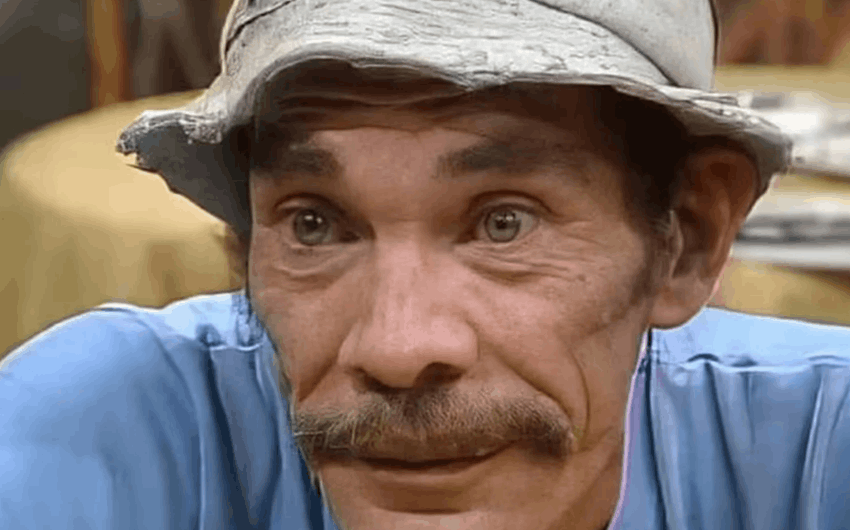
Ramón Valdés Net Worth in 2026: Don Ramón’s Legacy Earnings Explained Clearly
When people search for Ramón Valdés net worth, they’re usually trying to put a number on the legacy of “Don Ramón,” one of the most loved characters from El Chavo del Ocho. Because Ramón Valdés passed away in 1988 and his finances were never publicly detailed like a modern celebrity’s, any number you see today is an estimate. Still, we can make a realistic range by looking at how he earned money, what his career looked like, and how legacy income works for classic TV stars.
Estimated Ramón Valdés net worth in 2026
A reasonable estimate is that Ramón Valdés’ net worth at the time of his death was likely around $500,000 to $1 million. In 2026 dollars, that would roughly equal about $1.5 million to $3 million, depending on inflation and what you include as “assets.”
That range is not meant to be dramatic. It’s meant to be honest. Valdés was famous, but fame does not always mean massive wealth—especially for actors working in older TV systems where contracts and long-term royalties were not as generous as they are for today’s biggest streaming stars.
Why his net worth is hard to confirm
With Ramón Valdés, the biggest challenge is that most of the financial details people would need are private. His contracts were not published, his personal investments were not public, and his estate arrangements were not widely reported. So when websites list a single number, they are usually guessing based on his career, not quoting a verified financial document.
There is also a second challenge: people often mix up three different ideas—income, net worth, and legacy value. Valdés may have earned good money during peak years, but net worth depends on what remained after living costs, family responsibilities, medical bills, and taxes. Legacy value, meanwhile, is about how much his work is worth to audiences today, which is huge emotionally, but not always huge financially for the actor’s estate.
How Ramón Valdés made his money
Ramón Valdés did not become famous through one quick viral moment. He built his career over decades in Mexican cinema and television. Long before he became “Don Ramón,” he worked in film in supporting roles and comedy parts, slowly becoming known for a style that felt natural, quick, and human.
His income likely came from a mix of:
- TV salaries for series work and recurring characters
- Film pay from a large number of movie appearances
- Live appearances and touring performances during his most popular years
- Later-career gigs that kept him working consistently
That “consistent working actor” path is important. Many beloved performers are not rich in the way people assume. They earn well when they’re booked, but their finances depend on how steady the work stays and how much of the money is saved over time.
The Don Ramón effect: why one role became bigger than a whole career
It’s hard to overstate how much “Don Ramón” shaped Ramón Valdés’ public image. The character became a symbol—funny, stubborn, tired, loving, broke, proud, and strangely noble. Even people who haven’t watched the show in years can quote moments, remember the facial expressions, and feel like they “know” him.
That kind of cultural impact often makes people assume the actor must have been wealthy. But older TV eras were different. Many performers were paid a salary that made sense at the time, without the long-term royalty structure that modern audiences expect. A character can become priceless to the culture while the actor is still paid in a very normal, working-class way for the industry.
So the Don Ramón effect is real, but it doesn’t automatically translate into a massive net worth. It translates into love, recognition, and a lasting place in pop culture. Money is a separate question.
Did Ramón Valdés earn royalties from reruns and syndication?
This is the question most people care about, because reruns have kept El Chavo del Ocho alive across generations. In many countries, the show became part of daily life. People watched it after school, with dinner, on weekends, and during holidays. That kind of replay value is rare.
But royalty systems can vary widely by country, network, and contract type. In some entertainment systems, performers do get residual payments when episodes rerun. In others, payments can be limited, inconsistent, or structured in ways that do not create a big long-term income stream for the actor.
Even if reruns did generate money tied to Valdés’ work, it may have flowed primarily to the rights holders and producers, not to the actors in a life-changing way. It also may have shifted after his passing, depending on how rights and estate payments were arranged.
The safest way to say it is this: his work helped create decades of value for broadcasters and owners, but it is not guaranteed that he personally earned “modern royalty-level money” from that success.
Why his net worth likely wasn’t huge, even with massive popularity
There are a few grounded reasons Ramón Valdés’ net worth estimate tends to stay in the lower millions (in today’s dollars) rather than the tens of millions.
1) Older contract norms. In the era when he did his most famous work, performers often didn’t receive the kind of residual structure that later became common in some markets. Even when there were extra payments, they were not always large.
2) A large family and real-life responsibilities. Valdés was known to have a big family. Supporting a family changes wealth-building. Money that might have become investments can become education costs, housing costs, daily needs, and emergencies.
3) Medical expenses at the end of life. Health crises are expensive, and they can drain savings quickly. Even when friends and family help, major illness can reduce what remains in an estate.
4) Comedy careers often pay less than people think. Comedy is beloved, but it does not always pay like leading dramatic stardom. A performer can be famous, constantly recognized, and still not be “Hollywood rich.”
Put those together and a $500,000 to $1 million net worth at the time of his death becomes believable. That range respects both his career and the economic reality of entertainment work during that period.
What about the value of his image today?
Even decades after his death, Don Ramón is everywhere: memes, clips, fan art, tribute videos, and nostalgic merchandise. His face and expressions are instantly recognizable to millions of people. That makes his “image value” feel massive.
But image value doesn’t always pay the family the way people assume. Merchandising money depends on who owns the rights, how licensing is managed, and whether the estate receives a share. In some cases, the rights holders control most of the commercial usage. In other cases, estates can benefit more directly.
So yes, his image is valuable. The bigger question is how much of that value is captured by the estate versus captured by the companies that own the show’s distribution and brand power.
A realistic way to think about his wealth in 2026
If you want a simple model, think of Ramón Valdés’ wealth in two layers.
Layer one is what he built during his lifetime. This includes savings, property, and personal assets from decades of acting work. That’s the part most “net worth” estimates are trying to describe, and it likely falls in the range people commonly report.
Layer two is what his legacy may still generate. This can include any ongoing payments tied to the show, plus licensed uses connected to his character. This layer is harder to measure because it depends on rights and contracts that the public can’t see.
In many cases, the first layer is the bigger part of “net worth,” while the second layer is more like “potential ongoing income,” which may or may not be large depending on how the business side is structured.
So, what is Ramón Valdés’ net worth?
The most realistic answer is that Ramón Valdés’ net worth is best discussed as an estimate rather than a proven number. A grounded estimate is:
- Estimated net worth at death (1988): $500,000 to $1 million
- Rough 2026 equivalent value: about $1.5 million to $3 million
This range respects two truths at the same time: he was an iconic performer whose work has lasted for generations, and he also worked in an era where contracts often didn’t create the kind of long-term wealth that modern audiences expect from famous TV roles.
In the end, the clearest point isn’t the exact number. It’s the shape of the story. Ramón Valdés built something priceless in people’s memories. Financially, his legacy likely sits in the low millions when translated into 2026 terms, not because he wasn’t important, but because the business rules of his time were different.
image source: https://www.larazon.es/cultura/cine/ramon-valdes-siglo-chavo-8-chapolin-colorado_2024090266d56a651dd4400001966784.html