Sally McNeil’s Husband Ray McNeil: Bodybuilding Marriage, Abuse Claims, and Case Explained
Sally McNeil’s husband, Ray McNeil, is the name most people are trying to place when they search this story. He was a competitive bodybuilder and former U.S. Marine whose marriage to Sally ended in a fatal shooting on Valentine’s Day in 1995. What makes this case linger isn’t only the headline—it’s the messy intersection of fame-by-association, domestic violence allegations, gender expectations, and a trial that forced strangers to decide what “self-defense” looked like in a home where both partners were physically powerful.
The Direct Answer: Who Was Sally McNeil’s Husband?
Sally McNeil’s husband was Ray McNeil, a bodybuilder and former Marine. They met while Sally was stationed at Camp Pendleton and had recently started bodybuilding. Their relationship moved fast, and they married in 1987 after a short courtship. Years later, Ray died after Sally shot him in their Oceanside, California apartment on February 14, 1995.
If you’ve come here for a quick name, that’s it: Ray McNeil. But if you’re trying to understand why this name remains tied to documentaries, debates, and lingering public interest, you need the fuller context.
Ray McNeil’s Background: Marine, Bodybuilder, Mr. Olympia Competitor
Ray McNeil wasn’t famous in the mainstream celebrity sense, but within bodybuilding circles he had real credibility. He competed at a high level, including participation in Mr. Olympia events, and he carried himself like someone who believed the body was a project you could engineer into greatness. That pursuit often comes with intense discipline, identity, and—sometimes—ego.
His Marine background added another layer to the public image: tough, structured, and authoritative. That mix of military experience and bodybuilding culture created a particular kind of masculinity—one built around control, dominance, and physical capability. Whether you see that as admirable or alarming depends on what you believe happened behind closed doors, and that’s exactly where the case becomes complicated.
How Sally and Ray Met, and Why Their Relationship Escalated Quickly
Sally McNeil was also a Marine, and she began bodybuilding during her time at Camp Pendleton. Accounts of their origin story tend to emphasize how fast everything happened: meeting through fitness circles, dating briefly, and marrying within a couple of months. Rapid relationships can work, but they also leave little time to learn how someone handles conflict, jealousy, stress, or disappointment—especially when both people have strong personalities.
In later years, Sally described the marriage as abusive almost from the beginning. Those claims became central to how she explained the shooting and to how her supporters interpret the case. The prosecution, on the other hand, argued that what happened on Valentine’s Day was not self-defense, but murder.
The Home Life Behind the Muscle: Abuse Allegations and Fear
This case is often framed around a single night, but it’s easier to understand when you recognize what Sally said about the years leading up to it. Her account described a volatile marriage with violence, intimidation, and a cycle where tension would build, explode, and then reset—until it built again.
In domestic violence dynamics, the most dangerous moments frequently occur around control: suspicion of infidelity, threats of separation, financial stress, humiliation, or anything that challenges one partner’s dominance. In this relationship, those themes were repeatedly referenced in public reporting and in discussions of the case, including claims that Ray was unfaithful and that the marriage had become unstable.
What makes this story hard for outsiders is that it forces you to decide what fear looks like when the person claiming fear is not physically small or visibly helpless. Sally was a bodybuilder too. She wasn’t the stereotype many people carry in their minds when they picture a battered spouse. That mismatch between reality and stereotype became one of the most controversial aspects of how the public digested the case.
Valentine’s Day 1995: What Happened the Night Ray McNeil Died
On February 14, 1995, Sally shot Ray McNeil in their apartment in Oceanside, California. She called emergency services and said she had shot her husband because he had beaten her up. In later accounts, she maintained that Ray attacked her and that she fired in self-defense during a violent confrontation.
Reports commonly describe that Ray was shot twice, and that Sally’s children were in the apartment at the time. That detail alone changes the emotional temperature of the story. When children are present in a home with escalating violence, every decision carries extra urgency: not only survival, but preventing what the kids might witness, absorb, or endure themselves.
From the outside, people often ask the same questions. Why was there a shotgun in the home? Why did the argument reach that point? Why didn’t one of them leave sooner? The uncomfortable truth is that abusive relationships don’t run on logic. They run on control, fear, hope, denial, and exhaustion—until something breaks.
The Trial and Conviction: Why the Jury Didn’t Accept Self-Defense
Sally McNeil was convicted of second-degree murder in 1996 and received a sentence of 19 years to life. The conviction is a key reason this case remains debated: Sally argued she acted in self-defense, but the jury found otherwise.
In many self-defense cases, the courtroom becomes a stage where two competing stories fight for dominance. One story says: “I was terrified, and I had no safe alternative.” The other says: “You had other options, and what you did was excessive or intentional.” Jurors often have to evaluate not only evidence, but credibility—how believable fear seems, how believable the threat seems, and whether the response seems proportional in the moment.
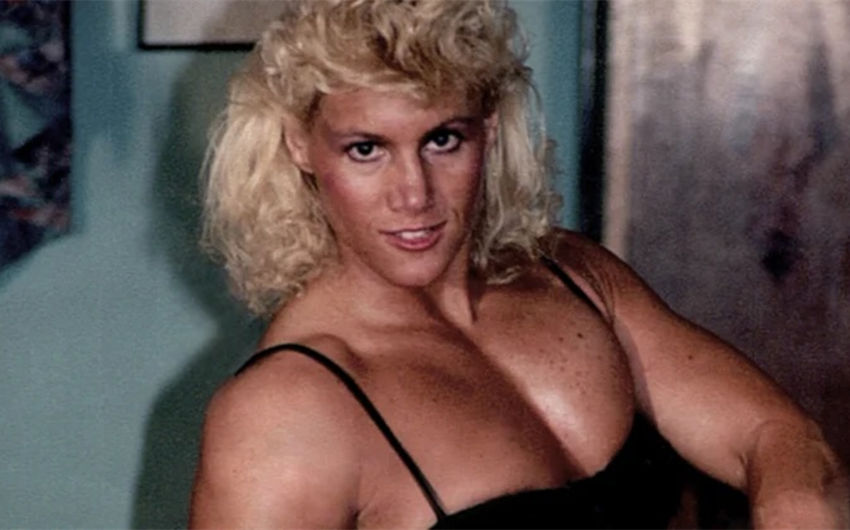
Sally’s physique, strength, and “Killer Sally” persona complicated those perceptions. When a defendant doesn’t look like the cultural stereotype of a victim, some jurors struggle to imagine them as one—even when evidence of abuse exists. That doesn’t automatically mean the verdict was wrong, but it helps explain why people still argue about it years later: the case sits on top of society’s blind spots.
Why This Story Became “Killer Sally” Instead of a Standard Crime Headline
Plenty of domestic homicide cases happen without becoming widely known. This one became a cultural lightning rod because it breaks expectations in multiple directions. A woman killed her husband. Both were bodybuilders. Both had Marine backgrounds. The defendant had a tough stage nickname. The alleged abuse didn’t fit a neat visual narrative. And the self-defense claim forced people to confront a hard question: can a strong woman still be trapped?
That’s why the case became documentary material. It isn’t just a whodunit. It’s a mirror held up to the way people judge victims and perpetrators based on appearance, gender, and the roles they expect people to play.
What Happened to Sally McNeil After Prison
Sally served decades in prison and was paroled in 2020. After her release, she rebuilt her life largely out of the spotlight. Public reporting has described her moving into supportive housing and later settling into a quieter life away from California.
This part of the story often surprises people, because true-crime culture trains you to expect a dramatic “where are they now?” twist. Real life is usually smaller than that. Reentry after long incarceration is hard: you’re learning new technology, new social norms, new routines, and—if you’re trying to heal—new ways to live without constant hypervigilance.
Sally later remarried, a detail that adds a different kind of complexity. For some people, remarriage signals healing and stability. For others, it triggers skepticism. But in a purely human sense, it can also mean this: someone wanted a life after the worst chapter. Whether you believe her self-defense claim or not, the reality is that life continued.
Featured Image Source: https://www.theguardian.com/tv-and-radio/2022/nov/02/killer-sally-netflix-sally-mcneil