Austin Reaves Wife Question Answered: Lakers Guard’s Career, Stats, and Story Today
If you searched “Austin Reaves wife,” here’s the straightforward answer: Austin Reaves is not publicly known to be married, so he doesn’t have a wife. What you can actually track with confidence is the part of his life that’s been anything but quiet—his rise from overlooked prospect to a trusted Los Angeles Lakers guard, the way he plays with controlled chaos, and how he turned “undrafted” into “can’t-bench-him.”
Who Is Austin Reaves?
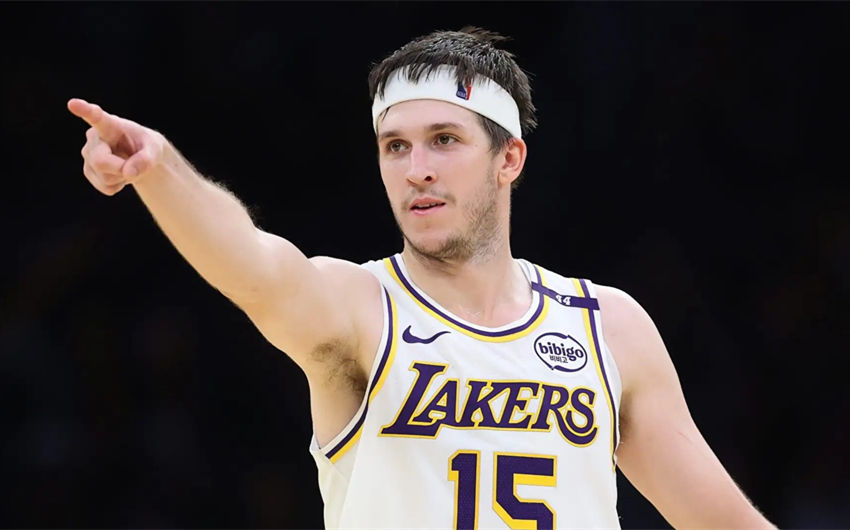
Austin Reaves is an NBA guard for the Los Angeles Lakers known for playing with a rare mix of craft and competitiveness. He isn’t the loudest athlete, and he isn’t built like the typical modern NBA star, but he’s the kind of player who keeps showing up in the moments that matter: late-game possessions, momentum swings, and matchups where someone has to make the right decision fast.
Fans often describe him as a “connector”—the player who makes a lineup work because he can dribble, pass, shoot, cut, draw contact, and play with just enough edge to keep defenses honest. Coaches love that. Teammates love that. And opponents learn quickly that you can’t treat him like a harmless role player.
Quick Clarification on the “Wife” Question
Austin Reaves does not have a publicly confirmed wife because he is not publicly known to be married. You’ll see the word “wife” used online because it’s a common search habit, not because it’s accurate. Some fans also confuse long-term dating with marriage, and some low-quality sites label a girlfriend as a wife to grab clicks.
If you’re simply trying to get the relationship label correct: no confirmed wife, no confirmed marriage.
Where He Came From: Arkansas Roots and a Different Kind of Path
Reaves’ story hits harder because it isn’t a straight line. He’s from Newark, Arkansas—a place that doesn’t automatically funnel you into NBA stardom. His rise is built on the kind of basketball development that looks unglamorous until it works: improving decision-making, adding strength, learning angles, and becoming the guy who always seems to know what’s about to happen a beat before everyone else.
That background shows up in how he plays. He doesn’t rely on overwhelming athleticism to win every possession. He relies on timing, positioning, and manipulation—getting defenders leaning the wrong way, then punishing them with a pass or a step-through. It’s old-school thinking in a modern game.
College Years: Wichita State, Oklahoma, and Finding His Game
Reaves didn’t become “Austin Reaves, Lakers guy” overnight. His college path included Wichita State and later the University of Oklahoma, where his role expanded and his confidence became more obvious. That Oklahoma stretch is where his identity sharpened: a ball-handler who could score, create, and stay calm when the possession got ugly.
He wasn’t just putting up numbers; he was showing the traits scouts argue about. Can he run an offense when things break down? Can he get a shot late in the clock? Can he make the correct read when a defense blitzes? Those are NBA questions, and Reaves started answering them before he ever signed an NBA deal.
Going Undrafted: The Moment That Could Have Ended the Story
Reaves went undrafted, which is the part of his biography that gets repeated the most for a reason: it’s the easiest way to summarize his climb. For many players, going undrafted becomes a permanent ceiling—Summer League, two-way contracts, bouncing around, hoping for a break that never really becomes stable.
For Reaves, it became fuel. But more importantly, it became a filter. Undrafted players only stick if they can do NBA things reliably: defend without fouling, make quick decisions, space the floor, and not panic under pressure. Reaves checked those boxes early enough that the Lakers didn’t treat him like a temporary experiment. They treated him like a solution.
Why the Lakers Fit Him So Well
Los Angeles is not a gentle environment for a young player. With the Lakers, your mistakes get replayed like they’re historical events, and your good games become expectations instead of compliments. That setting can crush players who need time and patience.
Reaves has survived it because his game is built on repeatable habits. He doesn’t need a perfect night to be useful. If his shot isn’t falling, he can still draw contact, make reads, defend, and keep the offense organized. That versatility is how you stay on the floor next to stars.
It also helps that his temperament is steady. He doesn’t look rattled easily. He plays like he belongs, and in the NBA, that mindset is half the battle.
What Makes Austin Reaves Effective on the Court
There are players who look impressive in warmups and disappear when the game gets tight. Reaves is often the opposite. His value grows when possessions matter.
He plays at a controlled pace. He doesn’t rush into bad shots just to look aggressive. He probes, pauses, and forces defenders to show their intentions.
He can create without dominating. That’s rare. Many “creators” need the ball constantly. Reaves can handle, then slide into an off-ball role and still impact the game.
He draws contact intelligently. Some players hunt fouls in a way that breaks the flow. Reaves tends to draw fouls as a byproduct of smart angles and timing, which keeps defenses frustrated and in rotation.
He makes the extra pass. Lakers lineups often include high-usage stars, which means the role players must punish defensive attention with quick, correct decisions. Reaves excels there.
Big Moments and Breakout Games
Reaves has had multiple games that shifted how people talk about him—nights where he didn’t just “play well,” he took over stretches and looked like a genuine difference-maker. Those performances matter because they change a player’s label. Once you prove you can carry a scoring load in the NBA—even occasionally—defenses start scouting you differently.
It’s also why fans argue about his ceiling. Some see him as an elite role player. Others see a potential borderline star. The truth is probably in the middle: his best version looks like a player who can be the third-best guy on a very good team, and on certain nights, he can play like the second-best.
His Contract and What It Signaled
When the Lakers committed real money to Reaves, it was a statement: they viewed him as part of a core, not just a nice undrafted story. In the NBA, contracts tell you how a team actually feels. Praise is cheap. Salary is not.
And the Lakers didn’t invest in him because he’s flashy. They invested because he solves problems—spacing, secondary creation, late-game composure, and lineup flexibility. Those are expensive skills when you have stars who require the ball.
What His Role Looks Like Next to Star Teammates
The hardest job in basketball is being good without needing the spotlight. When you play next to high-usage stars, you must thrive in the margins: swing decisions, quick reads, timing cuts, and hitting shots you may only take a few times a quarter.
Reaves has grown into that role because he doesn’t treat it like a limitation. He treats it like a puzzle. If the defense loads up on a star, he becomes the release valve. If the defense stays home, he becomes a scorer. If the lineup needs organization, he becomes a calm handler.
That kind of adaptability is why coaches trust him late in games. It’s also why fans feel like he’s “always involved” even when he isn’t leading the team in shots.
Featured Image Source: https://heavy.com/sports/nba/los-angeles-lakers/austin-reaves-trade-76ers/