Byron Allen Net Worth in 2026: How He Built a Media Empire
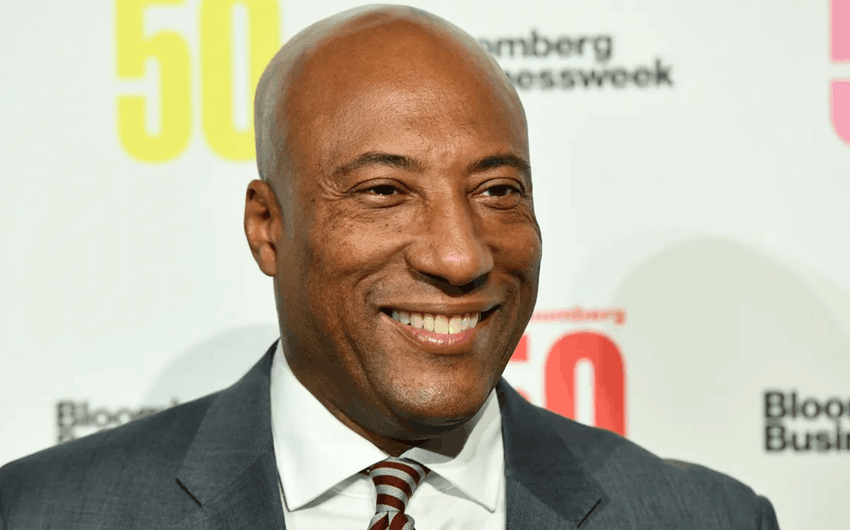
If you’re looking up Byron Allen net worth, you’re probably trying to connect the dots between his low-key public profile and the very loud headlines about billion-dollar deals. The short version is that most widely cited estimates put him around $1 billion, but the more useful answer is understanding where that value actually comes from: a media company built through ownership, syndication, and acquisitions rather than celebrity visibility.
What is Byron Allen’s net worth in 2026?
Byron Allen’s net worth is most commonly estimated at about $1 billion. That figure is an estimate, not a public document, because privately held media companies don’t publish a clean, audited breakdown of what every division is worth.
You may also see other estimates online that land below that mark. The reason the numbers swing is simple: valuing a private media empire is part math, part educated guessing. It depends on things like:
- How the market values TV stations and cable networks right now (those valuations can change fast).
- How much debt sits inside the business versus what is personally owned.
- Whether an estimate assumes a sale price (what someone might pay) versus a conservative book-value approach.
So if you want a practical range for everyday readers, a clean and fair way to say it is: roughly $800 million to $1 billion, with $1 billion being the most frequently cited headline estimate.
How Byron Allen actually built his wealth
Byron Allen didn’t get rich in the typical “actor becomes mogul” way. His career is closer to a business case study: start in entertainment, learn distribution, then buy the pipes that distribute content.
At a high level, his wealth comes from three buckets:
- Owning media assets (local TV stations, networks, and related properties).
- Producing and distributing content across TV and digital platforms.
- Using acquisitions to scale rather than relying on one breakout show or one viral moment.
That mix matters because ownership is where the long-term money lives. A hit show can fade. A distribution footprint can keep paying even when trends shift.
Allen Media Group: the core engine
Allen Media Group (previously known as Entertainment Studios) is the center of Byron Allen’s business life. It’s a media company with interests that span television production, broadcasting, film distribution, and digital media.
If you’ve ever wondered why he can make giant purchase offers, this is why: the company isn’t a one-trick brand. It’s built like a portfolio. And portfolios are what banks and investors understand when someone seeks financing for big deals.
In plain English, the company’s value comes from a few powerful ideas:
- Own what you can (networks, stations, libraries).
- Control distribution (where content runs and how it’s packaged).
- Spread risk (multiple channels and revenue streams instead of one flagship product).
The Weather Channel deal: a milestone acquisition
One of the most important “proof points” in Allen’s empire-building is the acquisition of The Weather Channel’s parent (Weather Group). This deal mattered because it wasn’t just a content play—it was a recognizable, established brand with infrastructure and distribution already in place.
Why this kind of asset changes net worth conversations:
- Brand equity: The Weather Channel is a known name with long-standing relationships in the TV ecosystem.
- Built-in distribution: It already sits in cable and satellite lineups, which historically means steady carriage revenue.
- Ad inventory at scale: Weather content attracts consistent viewership patterns that advertisers understand.
It’s also worth noting that big media purchases often come with carve-outs (certain digital pieces might be owned elsewhere). That’s common in these deals and is one reason outsiders can struggle to model “exact” value from the outside looking in.
Why Byron Allen keeps showing up in mega-bid headlines
Even if you’ve never watched one of his shows, you may have seen his name attached to massive offers to buy major media companies. Those headlines don’t necessarily mean a deal will happen, but they do signal something important: Byron Allen plays at the level where he can assemble financing, make formal proposals, and be taken seriously in rooms that most entrepreneurs never enter.
Big acquisition attempts do two things at once:
- They signal ambition and help position a buyer as a long-term consolidator in the industry.
- They reveal strategic logic about what assets are valuable (studios, networks, libraries, distribution).
Sometimes the public hears “offer” and assumes it’s just personal cash on a table. In reality, offers like these often involve financing plans, partners, lenders, and a mix of equity and debt. That’s how large acquisitions typically work.
His origin story matters: comedian to media operator
Byron Allen’s early career started in stand-up and television, and that background is more than trivia. People who come up through entertainment often learn what audiences want, but Allen also learned something else: how TV gets sold and distributed.
Distribution knowledge is a quiet superpower. If you understand how syndication works, how ad inventory gets priced, how stations program their schedules, and how networks negotiate carriage, you’re thinking like an owner—not just talent.
That mindset difference is part of why his wealth story is unusual: he didn’t stop at being on camera. He moved behind the scenes and built structures that keep earning whether he’s trending or not.
How media ownership turns into personal net worth
When you hear “a billionaire media mogul,” it’s easy to imagine a vault of cash. But net worth at this level is usually tied up in assets—ownership stakes, company valuation, and the long-term earning potential of businesses.
Here’s what can push the estimate up or down:
- Station portfolio value: Local TV stations can be extremely valuable, especially in major markets, because they combine ad sales with reliable audience reach.
- Network economics: Cable networks historically earn from both advertising and carriage fees, though the market is changing as viewing habits shift.
- Content library value: A large library can be monetized through licensing deals and distribution agreements.
- Debt structure: If assets are financed with debt, net worth calculations change depending on how analysts estimate liabilities.
This is why two “net worth” websites can disagree by hundreds of millions and still be working from the same basic story. The inputs are flexible because the company is private.
Legal headlines and business leverage
Byron Allen has also been in major business-news headlines tied to legal disputes that intersect with advertising and media buying. In public reporting, one high-profile case involved allegations related to advertising commitments and Black-owned media, which ultimately ended in a settlement with terms that were not publicly disclosed.
It’s important not to treat a settlement like a guaranteed “cash payout” unless the terms are public. Sometimes settlements involve commitments, purchases, or agreements that matter strategically even if the dollar figure stays confidential. Either way, the existence of these disputes and their resolution can influence how the market perceives a media company’s leverage, relationships, and future revenue.
So is Byron Allen really a billionaire?
The most honest answer is: he is widely described and estimated as a billionaire, and the public-facing numbers most often land at about $1 billion. Because much of his wealth is tied to a privately held media company, there isn’t one single “official” number the public can verify the way you can verify a public company’s market cap.
If you’re writing or publishing about him, a responsible phrasing is:
- Estimated net worth: about $1 billion (commonly cited)
- Reason for uncertainty: Allen Media Group is privately held, and valuations vary
- Primary wealth drivers: media ownership, acquisitions (including The Weather Channel), and distribution
FAQ
How old is Byron Allen in 2026?
Byron Allen was born on April 22, 1961. That makes him 64 in early 2026, and he turns 65 on April 22, 2026.
What is Byron Allen’s estimated net worth?
Most widely cited public estimates place him at about $1 billion, though some estimates are lower due to different valuation assumptions for private media assets.
How did Byron Allen make his money?
He built wealth by expanding from entertainment into ownership—creating and acquiring media properties, building distribution, and scaling through acquisitions like The Weather Channel’s parent company.
Why does his net worth estimate vary so much?
Because his core business is privately held. Without public financial statements, estimates rely on comparable valuations, reported deals, and assumptions about asset value and debt.
Byron Allen’s story is less about celebrity flash and more about ownership discipline: buying assets, controlling distribution, and building a company that can keep compounding over time.
image source: https://fortune.com/2020/06/11/comcast-byron-allen-settle-racial-discrimination-suit/