Deion Sanders Net Worth in 2026: Colorado Salary, Endorsements, and Career Earnings
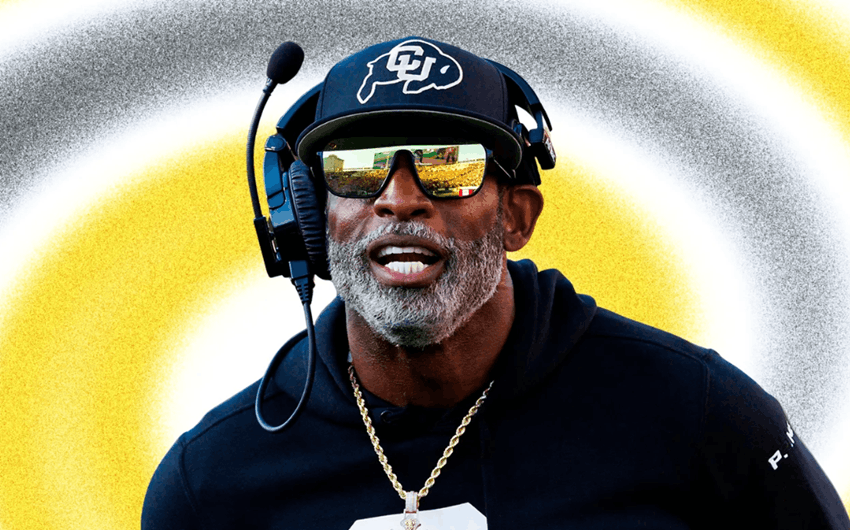
If you’re searching for Deion Sanders net worth, you probably want more than a recycled headline number. The quick answer is that his net worth is commonly estimated at around $60 million in 2026. That figure becomes much easier to believe once you look at the real money engines behind it: a rare two-sport pro career, major endorsements, a high-paying Colorado coaching contract, and decades of “Prime Time” brand power.
Deion Sanders’ estimated net worth in 2026
A realistic, widely repeated estimate for Deion Sanders’ net worth in 2026 is about $60 million. Like most celebrity wealth figures, it’s an estimate—not an audited personal balance sheet—because the public doesn’t see his full tax picture, private investments, or the exact terms of every endorsement deal.
Still, $60 million passes the “common-sense test” when you consider how many separate lanes he’s earned from over time:
- NFL salary and performance earnings
- MLB salary from multiple seasons
- Major endorsements and brand partnerships
- Coaching salaries (now in the highest tier of college football)
- Media work and public appearances
- Business ventures and long-term brand value
When someone’s career touches that many revenue streams, net worth tends to be less about one giant payday and more about compounding.
How old is Deion Sanders in 2026?
Deion Sanders was born on August 9, 1967. As of early 2026, he is 58 years old, and he turns 59 on August 9, 2026.
The biggest modern wealth driver: Colorado’s coaching contract
One of the cleanest, most current pieces of his wealth story is his Colorado deal. Deion Sanders’ contract extension with the University of Colorado is widely reported at $54 million over five years, running through the 2029 season. That isn’t just “good money for a coach.” That’s top-of-the-market money—especially for someone who was hired in part because his name alone changes the national attention a program receives.
Reported salary details from that deal matter because they put a real, annual number into the net worth conversation. The reported structure includes:
- $10 million in 2025
- $10 million in 2026
- $11 million in 2027
- $11 million in 2028
- $12 million in 2029
Even after taxes and team expenses, that level of salary dramatically strengthens his long-term financial floor. It also makes it easier to understand why his net worth estimate holds steady in the tens of millions even when you ignore all the “Prime Time nostalgia” value.
What he earned as a player: NFL money plus MLB money
Deion Sanders is rare because he wasn’t just a crossover athlete in spirit—he built real careers in two major leagues. That matters financially for a simple reason: two pro sports means two pay structures, two sets of contracts, and two eras of endorsements.
NFL earnings: the foundation
Sanders played 14 seasons in the NFL and was a marquee name at a time when being a star cornerback could still make you one of the most visible athletes in the sport. His NFL salary earnings are commonly reported in the tens of millions, and those years created more than direct pay. They created the identity that still sells today: “Prime Time.”
And when you’re a brand, your playing career doesn’t end when you retire. It becomes intellectual property you can keep monetizing—through appearances, media, speaking, coaching leverage, and endorsements.
MLB earnings: an extra lane most athletes never get
On top of football, Sanders played in Major League Baseball and earned additional salary there as well. Even if the baseball checks were smaller than the biggest NFL checks, they still add a meaningful layer to lifetime earnings—and they reinforced his legend as a genuine two-sport pro, which is marketing gold.
That two-sport credibility also helps explain why his name stays financially relevant long after his last snap. It’s not just nostalgia. It’s a unique story that brands can attach themselves to.
Endorsements: “Coach Prime” still sells
Sanders has been a marketable athlete for decades, and that didn’t stop when his playing days ended. In some ways, coaching made him more marketable because he moved from “former player” into “headline personality” again—this time as a program leader with a national spotlight.
There are two important endorsement realities that shape his net worth:
- Legacy value: A Hall-of-Fame-level athlete can keep earning from brand associations for years, even with fewer appearances.
- Attention value: Coaching at a program that draws massive attention increases sponsorship interest and keeps the personal brand active.
Sanders has been publicly connected to major athletic brands across his career, and that type of relationship tends to come with ongoing value—sometimes through direct payments, sometimes through product deals, and sometimes through partnerships that raise the value of everything else he touches.
Media and visibility: the income most people underestimate
One reason Deion’s net worth conversation never really cools down is that he never fully disappeared from the public stage. Over the years, he has been involved in sports media and broadcasting work, and that category can be surprisingly lucrative for elite names.
Media income tends to come in waves:
- TV analyst roles and contracts
- Documentary and feature appearances
- Paid interviews, specials, and content partnerships
- Speaking engagements and branded appearances
You don’t need every single deal to be enormous for this to matter. You just need a career where the phone keeps ringing. Sanders has had that.
Coaching beyond salary: the “ecosystem” effect
It’s easy to look at a $10 million salary and stop there. But the coaching role can indirectly add wealth in three ways that don’t show up as “salary”:
- Higher brand demand: Winning, recruiting headlines, and national attention keep endorsements active.
- Business leverage: Visibility makes partnerships easier to negotiate because your platform is bigger.
- Long-term relevance: Relevance increases future opportunities, including media, speaking, and leadership roles.
In other words, coaching doesn’t just pay him. It keeps his entire personal economy alive.
Real estate and “private money” that outsiders can’t see
Most high-net-worth public figures store wealth in assets that don’t show up in public headlines every week. Real estate is a classic example. Another is private investing—quiet stakes in companies, funds, or projects that may not be visible until a sale or public filing happens.
This is one reason net worth estimates can be directionally correct but still vary: two people can have similar income, but one person consistently turns that income into appreciating assets while the other spends more heavily or holds more cash.
Why net worth estimates for Deion Sanders vary online
If you’ve seen different numbers for Sanders, that’s normal. The biggest reasons include:
- Private deal terms: endorsement and partnership details are not always public.
- Taxes and costs: a high salary is impressive, but what’s kept after taxes and expenses can be very different.
- Asset valuation changes: real estate and investments can change in value year to year.
- Timing matters: net worth snapshots change when a new contract kicks in, a major partnership launches, or an asset is sold.
The cleanest way to present his wealth in a blog post is to use a commonly cited estimate (around $60 million) while explaining the concrete engines behind it—especially the Colorado contract.
A realistic one-sentence summary you can use
Deion Sanders’ net worth in 2026 is commonly estimated around $60 million, driven by pro sports earnings, endorsements, media work, and a $54 million Colorado coaching contract.
FAQ
What is Deion Sanders’ net worth in 2026?
His net worth is commonly estimated at around $60 million, though the exact figure is not publicly verified and can vary by source.
How does Deion Sanders make money today?
His biggest current income source is his Colorado coaching salary, supported by ongoing brand value through endorsements, media work, and other opportunities tied to his public platform.
How much does Deion Sanders make at Colorado?
His extension is widely reported at $54 million over five years, with $10 million reported for 2026.
How old is Deion Sanders in 2026?
He was born on August 9, 1967. He is 58 in early 2026 and turns 59 on August 9, 2026.
Optional final thought: Deion Sanders’ wealth isn’t just the result of being great at football. It’s the result of being great at visibility—turning performance into a brand, then turning the brand into leverage that keeps paying across decades.
image source: https://www.gq.com/story/real-life-diet-deion-sanders