Korla Pandit Wife Beryl DeBeeson: Marriage, Secret Identity And Family Story Explained
If you’re searching for Korla Pandit wife, the answer is Beryl June DeBeeson—a Disney artist and creative partner who helped shape the mystique of “Korla Pandit” and shared a long, complicated life with him. Their marriage wasn’t just a romantic chapter. It sat at the intersection of love, race, reinvention, and survival in mid-20th-century America.
Quick Facts
- Korla Pandit’s wife: Beryl June DeBeeson
- Married: 1944 (ceremony in Tijuana, Mexico)
- Why Mexico: Interracial marriage restrictions in the U.S. at the time
- Children: Two sons
- Korla Pandit’s real name: John Roland Redd
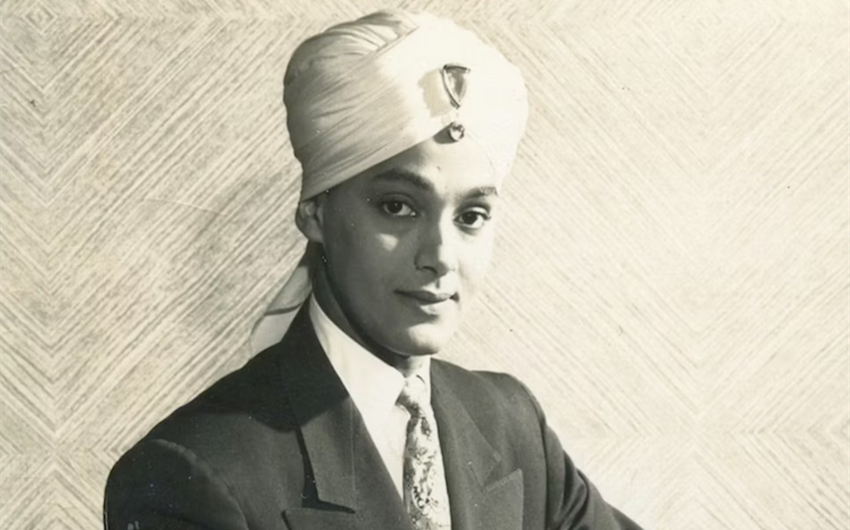
- Known for: Early television music performances as “Korla Pandit,” the turbaned “Indian” organist
- Died: 1998
Who Was Korla Pandit
Korla Pandit was a pioneering television musician—one of those early-TV figures who feels almost mythical now. He appeared on screen wearing a turban, rarely speaking, and staring directly into the camera while playing organ and piano with hypnotic calm. In the late 1940s and 1950s, that kind of visual “mood music” was new, and it turned him into a recognizable face in households that were still getting used to the idea of television itself.
Behind the persona, Korla Pandit’s real name was John Roland Redd. He was born in Missouri and had African-American ancestry—something he concealed publicly for most of his career by presenting himself as someone from India (and earlier, as “Juan Rolando,” passing as Mexican). That decision wasn’t just an “acting choice.” In that era, race shaped everything: where you could work, which unions you could join, where you could live, and who you could marry without risking legal or social consequences.
Korla’s story is often told as a tale of reinvention, but it’s also a reminder of what people felt forced to do to build a life in a country that limited them. And the person closest to that reinvention—personally and professionally—was his wife.
Who Was Korla Pandit Wife Beryl June DeBeeson
Beryl June DeBeeson was Korla Pandit’s wife and, in many ways, his behind-the-scenes counterpart. She’s often described as a Disney artist and former dancer—someone with creative training, an eye for image, and the kind of discipline that entertainment careers require. If Korla was the face of the mystique, Beryl was the person helping hold the structure together.
It’s easy to think of spouses of famous performers as “supportive partners” in a vague sense. With Beryl, the support had sharper edges. She wasn’t only cheering from the sidelines. She was part of the strategy, part of the presentation, and part of the day-to-day reality of keeping a secret identity intact in a time when one public mistake could destroy everything.
In other words: she wasn’t just Korla Pandit’s wife. She was also a collaborator in the life they built.
How Korla Pandit Met His Wife
Korla (John Roland Redd) met Beryl through personal connections in the early 1940s. Their relationship formed during a time when America was rigidly segregated, and interracial relationships were heavily stigmatized and restricted by law in many places. That context matters because it helps explain why their marriage became such a defining part of their story.
When you love someone in a society that punishes that love, you start making decisions that are less about romance and more about survival. The couple’s choices—where they married, how they presented themselves publicly, and how they built a family—were shaped by the world around them, not just by what they wanted.
Why They Married In Mexico
Korla Pandit and Beryl DeBeeson married in 1944 in Tijuana, Mexico. The reason was painfully simple: interracial marriage restrictions and anti-miscegenation laws made it difficult or illegal for couples like them to marry in certain U.S. states at the time.
This detail is one of the most important “human” parts of the story. People sometimes talk about Korla’s persona like it was only a clever show-business invention. But the marriage detail shows the emotional pressure behind it. Their relationship existed in a world that demanded secrecy—so secrecy became part of their daily life.
When you start a marriage under that kind of pressure, you learn quickly that privacy isn’t just preference. It’s protection.
The Korla Pandit Persona And Beryl’s Role In It
Korla’s “Indian” persona wasn’t created in a vacuum. It was shaped by the couple’s reality and by entertainment opportunities in Los Angeles. Presenting as “Korla Pandit” gave John Roland Redd access to spaces and audiences that would have been harder (or impossible) to enter openly as a Black man at the time.
Beryl is often credited as a major influence in building and maintaining that persona. Think about what that takes:
- Consistency: Keeping the look, mannerisms, and public story aligned for years.
- Discipline: Avoiding casual mistakes—introductions, paperwork, social slip-ups—that could expose the truth.
- Creative direction: Understanding how “mystique” sells, especially in early television.
- Emotional stamina: Carrying a secret identity while raising a family and navigating public life.
Even the famous element of Korla’s performance—rarely speaking on camera—fits the idea of controlled presentation. The less you talk, the fewer cracks appear. That wasn’t only artistic. It was practical.
Their Children And Family Life
Korla Pandit and Beryl had two sons. Their family life is often described as private, and for good reason. When your public identity is carefully constructed, your home becomes the only place where you can breathe like a real person—yet even home life can be complicated, because the secret still exists.
One of the most striking parts of Korla’s story is that he reportedly kept in touch with his family of origin while maintaining distance and secrecy. That kind of separation can happen when someone believes that blending worlds will lead to exposure. It’s not just sad—it’s psychologically exhausting. And Beryl, as his wife, would have lived inside that tension too: loving the person while also living with the cost of the persona.
From the outside, it’s tempting to judge the choices. From the inside, it likely felt like the only workable path at the time.
What Happened After Korla Pandit’s Death
Korla Pandit died in 1998. After his death, more public reporting drew attention to his true background and identity as John Roland Redd. That revelation surprised many fans who had only known the turbaned “Korla Pandit” image.
This is where Beryl’s story becomes even more layered. Imagine spending decades helping maintain a persona—partly for career access, partly for personal safety, partly for social survival—only for the truth to become widely discussed after your partner’s death. That kind of moment can bring relief, grief, anger, and exhaustion all at once.
Beryl lived for several more years after Korla passed away. She remained a quieter figure in the public record, which matches the overall pattern of their lives: visibility when necessary, privacy whenever possible.
Why People Still Search “Korla Pandit Wife” Today
Even decades later, people still search for Korla Pandit’s wife because the story hits multiple emotional buttons at once:
- Old Hollywood mystery: Early television has a dreamlike quality, and Korla fits it perfectly.
- A complicated love story: A marriage shaped by laws and prejudice creates natural curiosity.
- Identity and reinvention: The “who was he really?” question leads directly to “who was beside him?”
- Beryl’s quiet influence: The more you learn, the more you realize she wasn’t just present—she mattered.
And if you’re being honest, the question isn’t only “what was her name?” It’s also: what kind of strength does it take to build a life with someone whose public identity can’t fully match the truth?
The Bottom Line
Korla Pandit wife was Beryl June DeBeeson, a Disney artist and creative partner who married him in 1944 in Tijuana and stayed connected to his life through decades of fame, secrecy, and reinvention. Their marriage was shaped by the realities of race and law in mid-century America, and Beryl played a central role not only as a spouse and mother, but also as a steady force behind one of early television’s most unusual—and unforgettable—public personas.
Featured image source: https://newrepublic.com/article/122797/how-black-man-missouri-transformed-indian-liberace