NBA YoungBoy Net Worth in 2026 and How His Music Income Adds Up
When you search nba youngboy net worth, you’re really asking how a rapper with nonstop output, massive streaming, and a loyal fanbase turns attention into actual wealth. The tricky part is that his exact finances are private, and music money can swing fast based on contracts, touring, and legal costs. Still, a realistic estimate is possible when you look at the main income engines behind his career and what tends to get deducted along the way.
Estimated NBA YoungBoy net worth in 2026
In 2026, a reasonable public estimate places NBA YoungBoy’s net worth in the $10 million to $20 million range, with a practical midpoint around $15 million. You’ll see lower and higher numbers online, but this range fits the “shape” of his career: huge streaming volume, multiple releases, strong YouTube performance, and a return to touring that can add real cash flow.
Net worth is not the same as career earnings. It’s what remains after taxes, fees, business expenses, and lifestyle costs. So even if he has had years where he brought in a lot of money, the net worth number depends on what he kept, invested, and protected.
Why NBA YoungBoy’s net worth is hard to pin down
NBA YoungBoy (Kentrell DeSean Gaulden) is one of those artists where the public can see the demand, but not the deal structure. Most of his meaningful numbers are tied to private contracts and private ownership terms. That means net worth sites are guessing based on visible signals, like how often he charts, how often he releases music, and how many people watch his videos.
There’s also another reason the estimates vary: his career has had interruptions and restrictions at different points, which can change how much money he can make in a year. If touring slows down, income becomes more dependent on streaming and advances. If touring opens up again, the entire money picture can change quickly.
The biggest driver: streaming volume and nonstop releases
NBA YoungBoy’s biggest advantage is volume. He releases music constantly, and his fans show up for it. That matters because streaming is a “long tail” business. One album can earn for years, but a deep catalog can earn every day. When you have hundreds of tracks being played across platforms, you create a steady stream of micro-payments that add up.
Streaming doesn’t always look like “real money” to fans because it’s measured in fractions of a cent per play. But at his level, the scale is the entire point. The more tracks you have, the more playlists you land on, and the more fans replay your old music while waiting for the new drop. That behavior creates a consistent baseline, even in years when he isn’t doing big brand deals or huge tours.
Another detail people miss is that streaming money can be split several ways. Labels, distributors, publishers, and producers may all take a piece depending on the contract. That’s why two artists with the same streams can have very different net worth outcomes. The contract terms matter just as much as the stream count.
YouTube is a real pillar in his money stack
For NBA YoungBoy, YouTube isn’t just promotion. It’s a core income channel. His YouTube presence is unusually strong compared to many artists, and that can turn into real ad revenue over time. The key is consistency: when an artist drops visuals often, and the audience watches them like episodes, the channel becomes its own business.
YouTube money comes from ads, but also from the way YouTube keeps a fanbase locked in. Strong YouTube performance boosts discovery, boosts streams on other platforms, and keeps the artist’s name circulating even when they’re not on stage. In a practical sense, YouTube helps him earn twice: direct revenue on the platform and indirect revenue through everything it fuels.
That said, YouTube income is still affected by splits, monetization rules, and who controls the channel’s business side. It can be substantial, but it’s not always as clean as people think.
Touring changes everything, and his return matters
Touring is where many artists make their most “solid” money, because it can produce large, predictable paydays in a short window. If you’re a high-demand artist, a tour can generate revenue from ticket sales, VIP packages, merch, and sponsorship support. It can also raise your price for future festivals and appearances.
NBA YoungBoy’s return to live performance is significant because it adds an income engine that had been quieter for him compared to his streaming dominance. Even a single successful tour run can add millions in gross revenue. The amount he personally keeps depends on expenses, but the point remains: touring can raise net worth faster than streaming alone.
Touring also boosts the rest of the business. When an artist tours, streaming often rises because fans revisit the catalog. Merch sales also spike because fans want something physical tied to the moment. That “tour halo” can lift everything else.
Record deals and why ownership matters more than headlines
One reason NBA YoungBoy’s net worth is a constant debate online is because people assume “signed to a label” means the artist is rich. In reality, label money can be structured in ways that look huge upfront but cost a lot later. Advances are often recoupable. Marketing costs can be recoupable. Some royalty rates are lower than fans imagine.
What really changes wealth is ownership and leverage. If an artist controls their masters, controls their publishing, or has strong terms through an imprint, their long-term income improves. If they don’t, they may have massive visibility and still keep less than expected.
In NBA YoungBoy’s case, the brand “Never Broke Again” adds another layer to the conversation. An imprint or label ecosystem can create value beyond one artist, but only if it’s structured with real business upside. When it is, it becomes a second engine: money from developing other talent, publishing splits, and long-term brand leverage.
Merch, brand value, and the kind of money people don’t see
Merch is often underestimated in net worth talk. For an artist with a strong identity and a dedicated fanbase, merch can be a serious revenue stream. The margins vary depending on how it’s produced and distributed, but the demand is what matters. Fans who buy merch aren’t casual listeners. They’re supporters.
Brand value can also turn into income without looking like “an endorsement.” Sometimes it shows up as a better tour deal, a stronger distribution partnership, or a higher upfront advance. In other words, the brand can raise the price of everything he touches.
NBA YoungBoy isn’t known for the typical “polished corporate sponsorship” lane, but brand value still exists. It shows up as cultural influence and sales power. And sales power is a form of currency in music.
Legal costs and interruptions can lower what he keeps
One reason it’s difficult to treat any net worth number as “fixed” is that legal situations can be expensive and disruptive. Even when an artist is still streaming well, legal issues can reduce touring ability, limit travel, or increase costs through attorneys and professional support.
That matters for net worth because legal costs don’t just take money once. They can change how the career operates for a period of time. If touring is delayed, the artist may miss out on the most profitable lane. If a project is postponed, cash flow changes. And when cash flow changes, net worth growth slows down.
So when you see estimates that seem lower than his fame suggests, that’s often part of the reason. The public sees popularity. The balance sheet feels the friction.
The expenses that reduce “headline money” fast
Even when income is strong, net worth depends on what stays after real life. For major artists, the common deductions are bigger than most people expect:
- Taxes: high-income years can take a large percentage right away.
- Management and agent fees: representatives take a cut of deals and tours.
- Production costs: music videos, studio time, engineers, and marketing can be expensive.
- Tour costs: crew, travel, staging, insurance, and logistics eat into tour profit.
- Lifestyle and security: visibility often brings higher day-to-day costs.
This is why a rapper can earn millions and still have a net worth that looks “smaller” than fans expect. The machine that produces the career is expensive, and the government takes its share before most people do.
Why you’ll see wildly different net worth numbers online
Some websites publish very high figures for NBA YoungBoy and others publish much lower ones. The main reason is that many sites don’t have better data than you do. They are estimating. They might assume a certain monthly streaming income. They might guess at tour revenue. They might copy an older number and update the year without updating the logic.
The most believable estimates tend to be the ones that stay grounded: they recognize his massive streaming footprint, but they also recognize that music deals include splits, and that legal friction and limited touring periods can keep net worth from ballooning into the highest rumors.
That’s why a $10 million to $20 million range fits better than extremes. It respects the scale of his demand without pretending every dollar is pure profit.
A simple way to think about NBA YoungBoy’s wealth in 2026
If you want a clean mental model, picture his money as three stacked engines.
Engine one is the catalog. The nonstop releases create steady streaming income across platforms.
Engine two is YouTube. Visuals and channel strength add direct revenue and boost discovery.
Engine three is touring. When touring is active, it can accelerate wealth faster than streaming alone.
When all three engines run at once, net worth can climb quickly. When touring is paused or restricted, net worth growth leans more heavily on streaming and catalog performance.
So, what is NBA YoungBoy’s net worth in 2026?
The most realistic estimate is that NBA YoungBoy’s net worth in 2026 sits around $10 million to $20 million, with about $15 million as a reasonable midpoint. The exact figure is private, and online numbers can be exaggerated in both directions. But based on what we can see publicly—massive output, huge viewership, and renewed touring potential—the low-to-mid eight figures range is the cleanest, most believable answer.
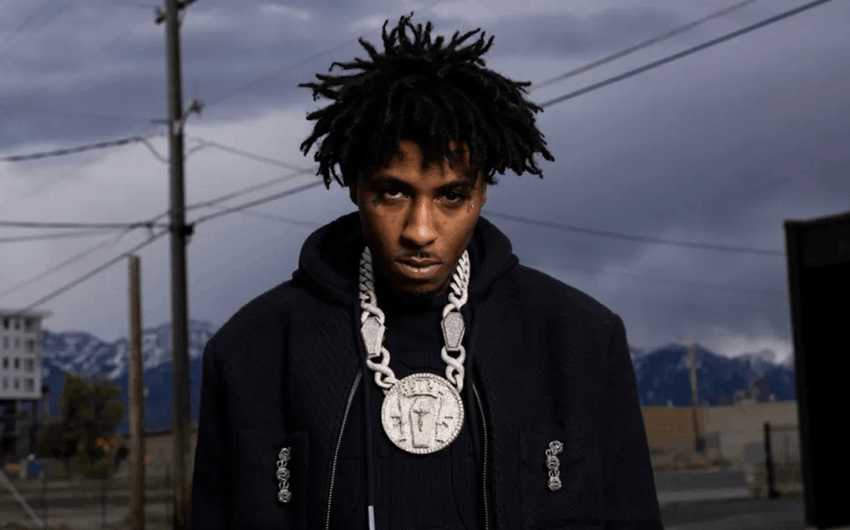
image source: https://www.billboard.com/music/rb-hip-hop/youngboy-never-broke-again-masa-tour-dates-2025-1235972491/