Tammy Slaton Husband Caleb Willingham: Her Life, Weight Loss Journey, and Fame
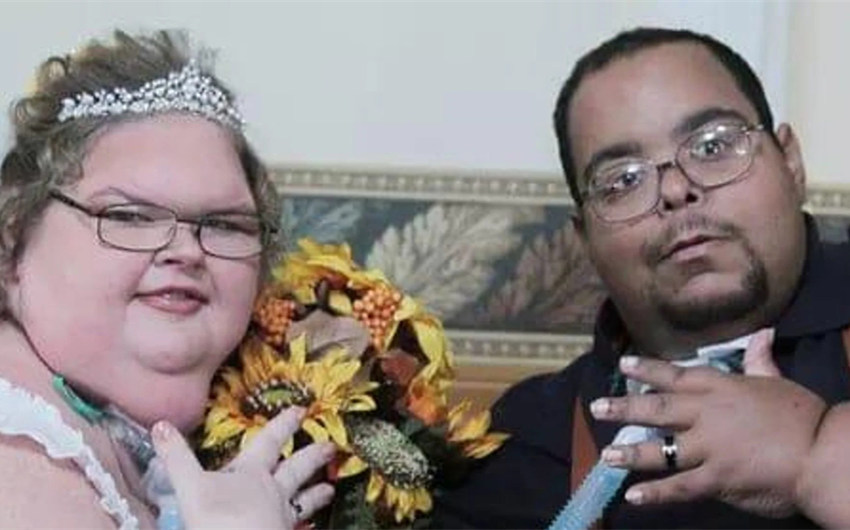
If you’re searching for Tammy Slaton’s husband, here’s the direct answer: Tammy Slaton’s husband was Caleb Willingham. They married in 2022, and Caleb died in 2023. Tammy is not currently married, and since that chapter ended, the focus of her story has shifted back where it’s always been at its most powerful—her health journey, her independence, and the messy, real work of changing a life that millions of people have watched in real time.
Who Is Tammy Slaton?
Tammy Slaton is a reality TV personality best known as one of the stars of TLC’s 1000-lb Sisters. Along with her sister Amy, Tammy became famous for allowing viewers into the day-to-day reality of extreme obesity—mobility limits, medical emergencies, family tension, emotional eating, and the exhausting mental loop of wanting change while feeling stuck.
What makes Tammy’s public story different from a typical “transformation” narrative is that it isn’t clean or linear. She didn’t simply decide to lose weight and then do it. For years, her life was a push-and-pull between progress and setbacks, hope and resistance, determination and despair. That rawness is exactly why she became so well known: people didn’t just watch her body change; they watched her identity fight to survive the changes.
Quick Answer: Who Was Tammy Slaton’s Husband?
Tammy Slaton’s husband was Caleb Willingham. They met while both were in a weight-loss rehabilitation setting, and their relationship moved quickly into engagement and marriage. Their marriage was short. Caleb died in 2023, and Tammy has spoken publicly about grief and the complexity of loving someone while also living through relationship strain.
Why Tammy’s Marriage Was Such a Big Moment on the Show
On 1000-lb Sisters, Tammy’s relationships were never treated as casual side plots. They were shown as part of a deeper emotional need: to feel chosen, to feel wanted, to feel like her life wasn’t limited to survival mode. For a long time, Tammy’s world looked smaller than most people’s—physically and socially. Mobility issues shrink your options. Health crises shrink your freedom. Shame shrinks your willingness to be seen.
So when Tammy fell in love and got married, it didn’t read like celebrity romance news. It read like a major identity shift: Tammy stepping into a role (wife) that many viewers weren’t sure she’d ever get to experience in a stable, real way.
And because it happened during a period when she was also working intensely on her health, the marriage carried extra weight. It wasn’t “love in normal life.” It was love happening inside a fight for life.
How Tammy Slaton Became Famous
Tammy’s fame came from something both simple and brave: she showed up on camera while struggling. Reality TV is filled with people who present a polished version of chaos. Tammy often presented unfiltered chaos—anger, sadness, stubbornness, fear, and exhaustion. That kind of visibility creates strong reactions. Some viewers feel compassion. Some feel frustration. Many feel both at once.
In the early seasons, Tammy became known for being resistant to change, defensive when confronted, and emotionally volatile when she felt judged. But those traits weren’t random. They were survival strategies. When you’ve been stuck in the same pain for years, defensiveness can feel like the only thing protecting you from hopelessness.
Over time, the show captured the reality that most people don’t want to say out loud: weight loss isn’t only about food. It’s about identity. And identity doesn’t change without a fight.
Her Health Journey: The Part People Reduce to Numbers
It’s easy to reduce Tammy Slaton’s story to weight numbers because the show’s premise invites it. But the real story is the system behind those numbers: medical risk, mobility limitations, breathing problems, emotional eating, and the constant pressure of living in a body that feels like a trap.
For years, Tammy’s health issues were severe enough to create repeated crisis moments—hospitalizations, warnings from doctors, and family interventions. Viewers saw her struggle with walking, basic self-care, and the mental burden of feeling like her life had narrowed to a few rooms and a few routines.
When Tammy finally began making sustained progress, it wasn’t just “diet and exercise.” It was also structure: medical oversight, rehabilitation support, mental health work, and a willingness—sometimes shaky, sometimes strong—to do the hard emotional labor that comes with changing how you cope.
What Changed for Tammy Over Time
One of the most important shifts in Tammy’s story has been emotional. In earlier seasons, she often seemed trapped in a loop of conflict—pushing people away, then feeling abandoned, then lashing out again. Later, viewers began seeing different moments: self-awareness, remorse, vulnerability, and a growing ability to sit with discomfort without instantly exploding.
That shift matters because it’s the backbone of long-term change. When people transform, it’s usually not because they suddenly become “motivated.” It’s because they develop new emotional tools: how to handle stress without eating, how to handle shame without isolating, how to handle criticism without rage.
In Tammy’s case, her progress has often looked like a person learning how to live with feeling—without using food as the only anesthetic.
Tammy Slaton as a Public Figure
Tammy’s celebrity is unusual. She isn’t famous because she crafted a brand from scratch. She’s famous because the public watched her struggle with something many people experience privately: losing control of health, losing control of coping, and trying to rebuild both.
That kind of fame comes with its own cost. Tammy has had to live through public judgment, online jokes, and strangers treating her pain like entertainment. Even when viewers are supportive, there’s still pressure: people expect constant progress, constant positivity, constant “inspiration.” Real life doesn’t move like that.
What Tammy has done—whether people love her or criticize her—is remain visible through change. That visibility is a kind of work in itself.
Grief, Growth, and the Next Chapter
After Caleb Willingham’s death, Tammy’s story inevitably entered a new season. Grief doesn’t politely pause other struggles. It can trigger relapse behaviors, deepen depression, and intensify loneliness—especially for someone who already has a history of using food and isolation as coping mechanisms.
But grief can also sharpen priorities. It can force a person to confront what they actually want from life, not just what they’re willing to tolerate. Tammy’s public arc since then has included moments that suggest she’s trying to hold onto progress even when life hurts—continuing to focus on her health, her independence, and the daily habits that protect her future.
For viewers, the most meaningful thing isn’t whether Tammy looks perfect. It’s whether she keeps building a life that’s larger than crisis.
Why People Still Root for Tammy (Even When She’s Difficult)
Tammy Slaton is not always easy to watch. That’s part of why she’s compelling. Many reality TV stars are designed to be lovable. Tammy is human first: messy, defensive, funny, stubborn, and sometimes heartbreakingly honest in ways that aren’t flattering.
People root for her because her fight is recognizable. Not everyone relates to her exact medical reality, but many people relate to the emotional mechanics underneath it: the way shame grows, the way coping becomes addiction, the way change feels terrifying even when you want it.
And when Tammy does succeed—when she chooses discomfort over old habits—it feels earned. Not scripted. Earned.
What Tammy Slaton’s Story Really Represents
At its core, Tammy’s story isn’t only about weight loss. It’s about rebuilding the idea of a future. For years, her life often looked like endurance rather than living. The moments of progress have been moments where she’s acted like someone who believes she might actually get to have a life—relationships, movement, independence, and peace.
That’s why the husband question gets a short answer, but Tammy herself doesn’t. The marriage was one chapter. Tammy’s real story is the long fight to stay alive, stay present, and keep changing even when it’s uncomfortable.
Featured Image Source: https://www.hellomagazine.com/film/496751/1000-lb-sisters-star-tammy-slaton-devastated-after-death-of-husband-caleb-willingham-40/