What Is Magnus Carlsen’s Net Worth and How Did He Build His Wealth?
Magnus Carlsen’s net worth is a popular topic among chess fans, and the short answer is that no exact public figure has been officially confirmed. Still, he is widely believed to be worth around $25 million. What makes that figure interesting is not just the number itself, but how he earned it. Carlsen built his wealth through far more than tournament winnings, combining elite chess success with sponsorships, business ventures, and long-term brand value.
Who Is Magnus Carlsen?
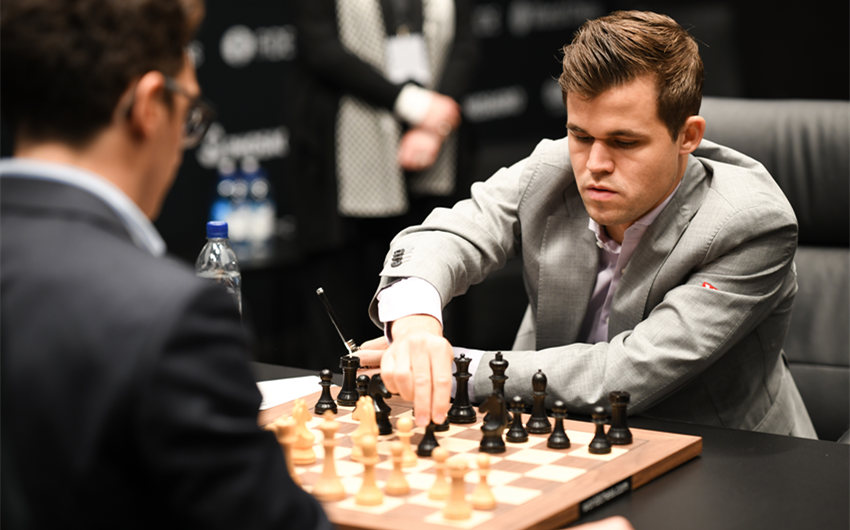
Magnus Carlsen is a Norwegian chess grandmaster who is widely regarded as one of the greatest players in the history of chess. He became a grandmaster as a teenager and quickly developed into the dominant player of his generation. Over the years, he has held the world number one ranking, won the World Chess Championship, and built a reputation for excellence in classical, rapid, and blitz formats.
What separates Carlsen from many great players before him is that he became more than just a chess champion. He turned into a global name within the sport and helped bring chess into the digital era. As online chess became more popular and more commercial, Carlsen’s influence grew beyond the board. That wider presence is a major reason why his financial profile stands out so much in a game that has traditionally not produced many ultra-wealthy stars.
Magnus Carlsen’s Estimated Net Worth
Magnus Carlsen’s estimated net worth is commonly placed at around $25 million. Since he has never publicly disclosed his full finances, that figure should be viewed as an estimate rather than a confirmed total. Even so, it is a reasonable number when looking at the different ways he has earned money throughout his career.
Unlike athletes in some larger global sports, chess players do not usually have fully transparent contracts or salary disclosures. Because of that, net worth estimates are often based on known tournament earnings, business activity, public partnerships, and the visible growth of personal ventures. In Carlsen’s case, the estimate appears believable because his career has extended well beyond competitive chess alone.
Breakdown of Magnus Carlsen’s Wealth
Tournament Prize Money
One of the most obvious sources of Magnus Carlsen’s wealth is tournament prize money. He has spent years competing in elite international events and has won major prizes in world championship matches, invitational tournaments, online events, and rapid and blitz competitions. A player with his level of success naturally earns substantial prize money over time.
Still, prize winnings alone do not fully explain a fortune of this size. Chess is respected worldwide, but its prize pools are usually much smaller than those seen in sports such as tennis, golf, or football. That means tournament earnings helped establish Carlsen’s financial base, but they are only one part of the overall picture. His real financial strength comes from what he built around his playing career.
Business Ventures and Equity
A major part of Carlsen’s wealth likely comes from business ownership and long-term investment in chess-related companies. This is one of the most important parts of his financial story. Rather than relying only on event winnings, he was involved in the commercial side of modern chess, especially in digital products and platforms.
His association with chess businesses helped turn his reputation into something larger than a personal playing career. As chess moved into apps, online learning, digital events, and subscription-based content, Carlsen was well positioned to benefit. This kind of business involvement can create much more lasting wealth than prize money because ownership and equity have the potential to grow over time and generate larger returns.
That is why his net worth is often discussed differently from that of many other grandmasters. He did not simply compete at the top level. He became part of the business evolution of chess itself. When a player’s name becomes attached to products, platforms, and companies, the financial upside can be significantly greater than anything earned from a single tournament victory.
Sponsorships and Endorsements
Sponsorships have also played a major role in Magnus Carlsen’s net worth. As one of the most recognizable figures in chess, he has attracted partnerships with major brands that value his image, intelligence, and global appeal. In a sport where only a handful of players become internationally marketable, Carlsen has stood out as an ideal ambassador.
For companies, he represents excellence, discipline, and a modern version of competitive intelligence. Those qualities make him especially attractive for partnerships. Sponsorship deals can provide reliable income over multiple years, and for someone with Carlsen’s profile, they may be worth as much as or more than some tournament earnings.
This matters because endorsement income is often less visible to the public. Fans see trophies and headlines, but they do not always see the contracts behind the scenes. Yet those brand relationships are often a major reason why elite figures build serious wealth. In Carlsen’s case, endorsements likely helped transform his success as a player into a stronger and more stable financial foundation.
Media Value and the Online Chess Boom
Another important piece of Carlsen’s wealth comes from his role in the rise of online chess. The game has changed dramatically in the last decade. It is no longer limited to traditional tournaments played quietly in hotel halls or formal championship venues. Chess now lives across streaming platforms, online competitions, training sites, social media, and digital entertainment channels.
Carlsen became the face of this modern era. Because of that, his value increased far beyond the board. His name draws attention, audiences, clicks, and commercial interest. That kind of influence creates opportunities that many past champions never had. Even when he is not playing in a tournament, his brand still carries weight in the broader chess world.
This media value is difficult to calculate precisely, but it has real financial importance. A player who matters to audiences, platforms, and advertisers has more ways to earn money than one who relies purely on results. Carlsen’s ability to remain relevant in both traditional and digital chess spaces gives him a strong advantage financially.
His Personal Brand
Magnus Carlsen’s personal brand may be one of his most valuable assets. He is known not only for being a champion, but also for being calm, confident, competitive, and highly intelligent. Those traits have made him appealing to both chess fans and general audiences. In modern sports and entertainment, personal brand often matters almost as much as raw achievement.
Carlsen’s brand has helped him stay commercially strong even during moments when the public conversation around chess changes. Because he is seen as a defining figure of the game, his earning potential is not tied to one single title or one specific year. His reputation has long-term value, and that contributes greatly to any estimate of his overall wealth.