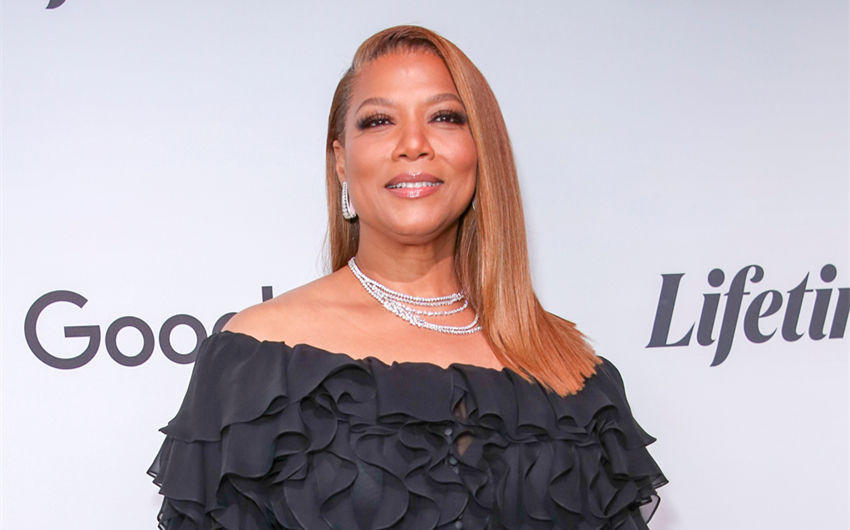
Who Is Queen Latifah’s Husband? She’s Unmarried—Her Career, Legacy and Life Today
If you’re asking, “who is queen latifah’s husband,” here’s the direct answer: she doesn’t have one because she isn’t married. Queen Latifah has kept her personal life intentionally private for most of her career, but her public legacy is anything but quiet. She’s one of the rare entertainers who’s been genuinely dominant in multiple lanes—music, film, television, and business—without ever letting the world reduce her to just one role.
Who Is Queen Latifah?
Queen Latifah (born Dana Elaine Owens) is an American rapper, actress, producer, and entrepreneur who helped redefine what success could look like for women in hip-hop and later proved she could lead on-screen just as powerfully. She’s not a “one era” star—she’s a multi-decade force who keeps reinventing her platform without losing her core identity: confident, smart, funny, and unapologetically in control.
Some artists break through with one big moment and spend the rest of their career trying to recreate it. Queen Latifah did something rarer: she kept evolving. She built credibility in music, then carried that credibility into acting, then turned acting into producing, and then turned producing into a long-term empire move.
Quick Answer: Does Queen Latifah Have a Husband?
No. Queen Latifah is not publicly known to be married, so she does not have a husband. She’s been linked to a long-term partner in recent years, but partner is not the same as spouse. If you’re looking for an official “husband” name, there isn’t one—because marriage isn’t part of her public record.
Her Breakthrough in Hip-Hop
Queen Latifah’s early impact in hip-hop wasn’t just about chart success. It was about presence. She arrived with authority at a time when the genre’s mainstream visibility was still heavily shaped by men, and she refused to play small. Her voice had weight. Her writing had intention. And her identity wasn’t built on being someone’s accessory.
She became known for songs that blended toughness with uplift—music that could go hard without losing a sense of purpose. That balance made her stand out. She wasn’t chasing shock value; she was building a point of view. And that point of view helped open doors for artists who came after her, especially women who wanted to be respected for skill rather than packaged for novelty.
Why “Queen Latifah” Was a Statement, Not Just a Name
Even her stage name carries meaning. “Latifah” comes from Arabic roots often translated as “kind” or “delicate,” but paired with “Queen,” it flips expectations. It suggests softness and power can exist together. That’s basically her entire brand: commanding presence without losing warmth.
In an industry that loves to force women into narrow boxes—either “hard” or “sweet,” either “sexy” or “serious”—Queen Latifah has always lived in the in-between. She can be glamorous without being fragile. She can be funny without being dismissed. She can be tough without being caricatured.
Her Acting Career: From Supporting Roles to Leading Woman
Queen Latifah didn’t enter acting as a gimmick. She entered it like a professional—learning the craft, choosing roles with range, and proving she could carry emotional weight on screen. Over time, she became known for playing characters who feel grounded and real: women with strong instincts, sharp humor, and a protective edge.
Her film work helped expand how Hollywood cast her. She wasn’t just “the rapper who acts.” She became the actor audiences trusted—someone who could anchor a scene without overacting, someone who could switch tones quickly, someone whose charisma read as natural rather than forced.
And the more she acted, the more she unlocked another truth: she wasn’t limited to being cast. She could shape what got made.
Producing and Power: The Move That Made Her a Long-Term Player
Acting is visibility. Producing is leverage.
Queen Latifah’s career becomes even more impressive when you look at the behind-the-scenes strategy. She didn’t only want roles—she wanted control over the kinds of stories that reached audiences. Producing allowed her to champion projects, elevate talent, and build a pipeline that wasn’t dependent on someone else’s permission.
This is the part of her success people sometimes overlook because it’s quieter than a hit song or a big movie premiere. But it’s the foundation of longevity. When you’re producing, you’re not waiting for the phone to ring. You’re building the room where decisions get made.
Television Success: The Equalizer Era
One of the clearest examples of her staying power is her modern TV success. Leading a major network drama is not easy—it’s physically demanding, schedule-heavy, and brutally exposed to ratings pressure. Yet she’s done it while remaining believable as a tough, capable lead.
What makes her TV presence work is the same thing that made her music work: authority. She doesn’t have to shout to feel in control. She projects competence. And audiences trust competence.
That “trust factor” is a huge part of why she remains a household name. She doesn’t feel like a celebrity playing pretend. She feels like a person who could actually do the job her character is doing.
Her Public Persona vs. Her Real-Life Privacy
Queen Latifah is famous, but she has never behaved like she owes the public full access to her personal life. That boundary is intentional. She’s shared what she wants to share and protected what she wants to protect.
In the social media era, that kind of restraint stands out. Many celebrities build their brand by letting fans watch their private life in real time. Queen Latifah built her brand by doing the opposite: letting the work speak loudest.
That approach has had a side effect: people keep asking spouse questions because they assume a celebrity’s life should come with a neat public relationship label. But for her, the label isn’t the story. The work is.
Why She Matters Culturally
Queen Latifah’s cultural impact isn’t limited to entertainment. She’s been a model of what it looks like to mature in public without losing yourself. She’s shown that you can grow older in the industry without turning into a nostalgia act. You can shift lanes without being accused of “selling out.” You can protect your peace and still be powerful.
She also helped normalize a broader image of womanhood in mainstream media—one that includes strength, size diversity, confidence, humor, and leadership. She made space for women who didn’t fit the narrow “Hollywood default” to be seen as stars anyway.
Business, Brand, and Longevity
Another reason she’s lasted is that she’s treated her career like a business, not a popularity contest. She’s made decisions that prioritize stability and ownership. She’s built partnerships and projects that extend beyond one trend cycle. And she’s consistently positioned herself as someone who can lead—on camera and off.
This is what real longevity looks like: not staying famous for being famous, but staying relevant because you keep producing value. A hit song brings attention. A sustainable brand keeps it.
What Queen Latifah Is Doing Now
Today, Queen Latifah remains active as a performer and producer, continuing to take on projects that match her strengths: leadership roles, character-driven stories, and work that allows her to shape the final product. She’s also remained a visible presence at major cultural events, awards shows, and industry moments—often showing up with the calm confidence of someone who’s already proved everything she needed to prove.
She doesn’t chase headlines. She collects chapters.